Eli Reviews: Two Star & The Dream Police – Mk.gee (2024)
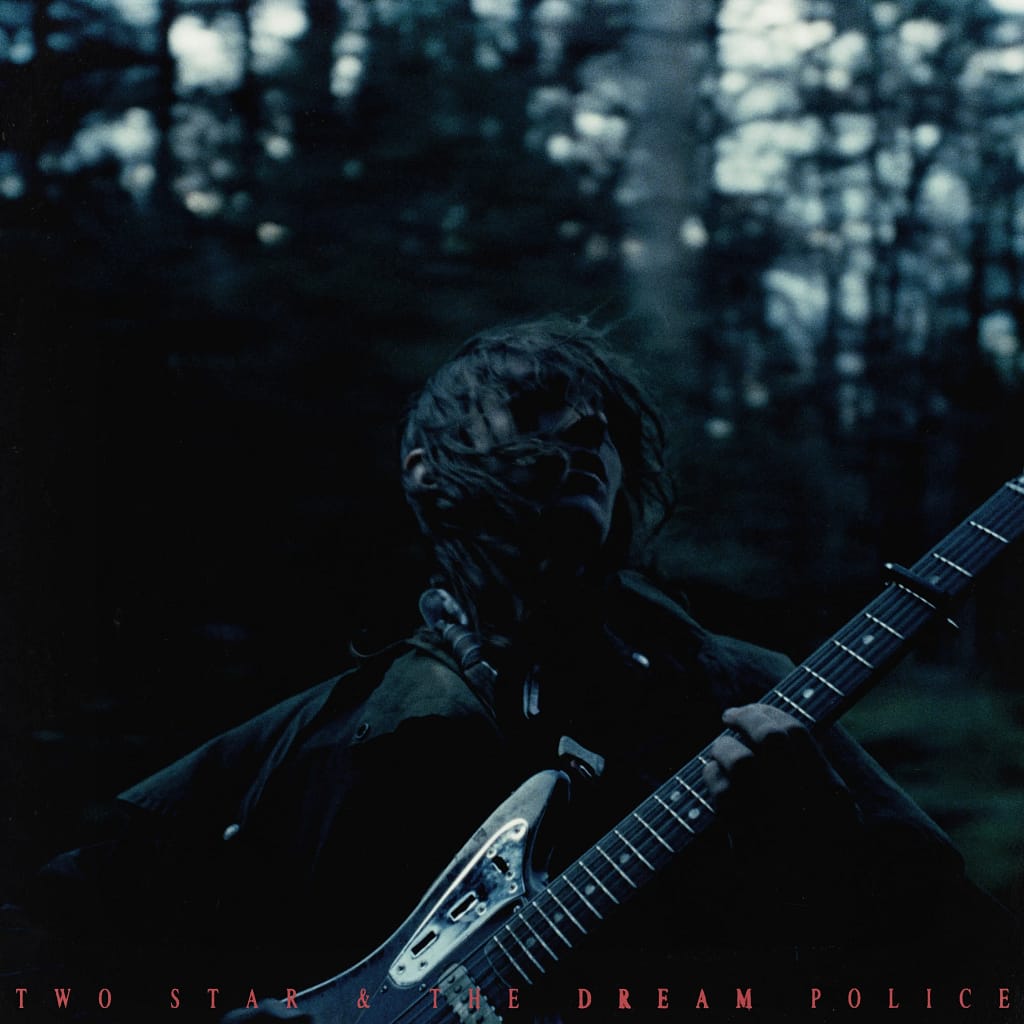
This album is one of the few modern ones I’ll likely review, but somehow it came on my radar last year in my Album A Day craze. I loved it but had to move on to the next one on my list without really revisiting it until today, where it’s been the soundtrack to my melancholic mood today. It’s one of the favorite things I’ve ever heard. It’s alongside everything by The 1975 and also Bon Iver’s 22, A Million. Maybe a little of Phoebe Bridger’s Punisher – I listen to only snatches of modern popular music outside of these records but to me they do have commonalities. They’re all my inspirations for music I’ve been working on and just emotionally unable to release as yet. This guy is even closer to home for pretty much doing it all himself, even up to mixing his own studio record.

“New Low” is probably my least favorite song, but as in introduction to the album’s tone and sound, it does a lot, especially with the drums.

“How many miles” is so full of soul and beauty and a sort of happysad, it gives a more particular vision of what the album is going to be: balladic. I’m sort of surprised how normal and acoustic the cross-stick is in the drums. He’s so amazing at being bold in being ‘not pretty’ but deeply beautiful, with all the modern pop production effects used to incredible taste.

“Are You Looking Up” is one of the more recognizable tracks to me – I’ve now listened to this record 5 times today – with the sort of country stylings of the guitar and the subtle key change between verse and chorus. The drums are barely there but the track has such bounce to it. The placement of the vocals is incredible, like it’s a demo tape but somehow sounding exactly as it’s meant to be.

In “DNM” somewhere is the feeling of new jack swing, but with all the rhythm in that genre brought down by 80%, and yet the track still grooves. The end gives me feelings of PBS in the late 80s (technically I was there).

“You Got It” is big on the 80s piano, again summoning beautiful feelings of a borrowed nostalgia. There’s so much RnB buried in here, and it’s just amazing to me how so little can communicate so much. It’s probably doing this album a great injustice to only have heard it in my Beats earbuds, but it sounds so good in them.

“Rylee & I” has one of the best vocal hooks on the record, with a soulful run down on “I” and some MJish pushed vocals. It really is like with The 1975, where their stated primary influences are not what they look like (sort of an emo band) but instead soulful characters like Michael Jackson. There’s some challenging sounds in here but with the edges rolled off just nicely.

“Candy” brings back the beat just a little, and we get a rare guitar solo here, backed by some very 80s sounds, somehow still sounding modern. Though I can’t remember the names of the songs, and don’t know what he’s saying hardly at all, each song is in the same wonderful sonic world but with plenty of musical identity each its own.

The really rhythmic vocal delivery in “I Want” is an example of that. Also the cool key change section before the 2 minute mark. There’s almost an 80s jazz fusion element to it with the synth solo section too. I’m moved by every song and have no exact ideas about what Mk.gee is singing. I love this effect and have ever since Pete Yorn’s musicforthemorningafter found it’s way into my favorites in my late teens.

“Alesis” has a bit of grunge to it, but understated. It amazes me how much comes across with just a little of it…I’ve been recently back into some of my songs I started mixing years ago, thinking once again that every single musical element has to be pushed and compressed so that EVERYONE HEARS IT. There’s a cool bit towards the middle where it sounds like some of the parts of the song are put into a different room. I felt this sort of detachment from the ‘song’ itself, diving into the production picture more, with Quixote. I feel inspired to try and get there again.

“Breakthespell” is just gorgeous. The vocals have a lower timbre, plenty affected too, with the guitar giving some nice percussive moves that evokes a little to me of old soul songs, also of this guy Bahamas. The chords and the sonics of the song remind me of “Crimson & Clover” by Tommy James and the Shondells, which was, of course, an incredible piece of sonic imagination.

The 80s piano comes back in “Little Bit More”, and some of the most soulful of the album’s vocals. It does plenty well without much percussion, just the persistent lowpassed guitar groove.

“Dream Police” is one of the most beautiful songs on the record, right at the very end. This might be his most real voice, though also affected in the modern way (occasional octave and formant shifts). The low guitar sounds a little like a fretless bass, again in the 80s sound world.

I don’t know what my cruise ship music aficianados would make of this record. It’s got so much of previous eras in it, but with the modern production toolbox in Mk.gee’s talented hands.
Leave a Reply

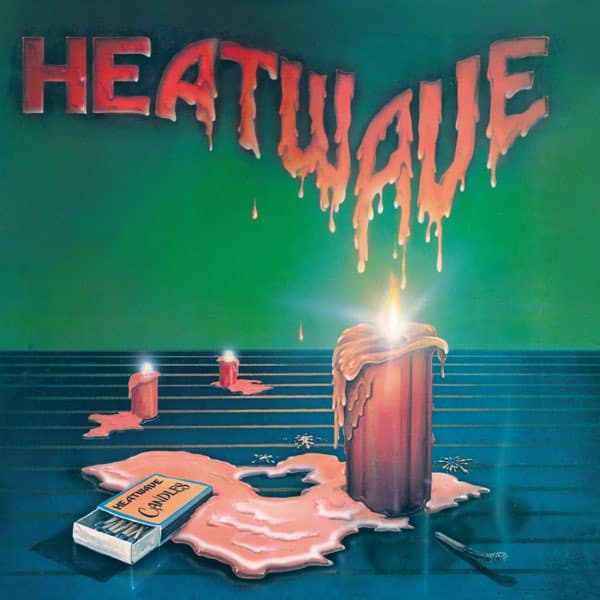
Eli Reviews: Candles – Heatwave (1980)

This one is an absolute banger. Peak disco, though really on the verge of post-disco. Heatwave is Rod Temperton’s band, the architect (next to Quincy Jones) of Michael Jackson’s sound and success on Off The Wall and Thriller. I can remember my brain lighting up like a disco ball when I first heard ‘Boogie Nights’ by Heatwave, with its impeccable vocal and rhythm arrangements and deep, jazzy groove. The groove change at “dance with the boogie (get down)” will always live in my head, esp. as I used to be in a 70s show, positioned at the keyboard behind a dance troupe for this number.

I also remember hearing Michael Jackson’s ‘Rock With You’ for the first time, as a teenager who had just been exposed to some of his other big hits. This one just did it different for me. Again, the jazzy chord changes, perfectionist arrangements and the deep groove made it stand out.

So this record has all of that and I just don’t get bored during it – it’s peak disco, verging on post-disco. By the latter is meant pushing into 80s studio techniques of additional drum machines, digital synthesizers and the growing mentality of the whole recording studio being an instrument. I’m amazed throughout how hard the kick drum has been ‘pushed’: EQ’d and compressed to get the high end – the click of the beater – so forward in the mix. On iPhone speakers the kick stands out like a modern recording. Like most disco the lyrics are mostly about dancing and partying, but it’s delivered with jazzy pedal chords on ‘Gangsters of the Groove’, contrapuntal vocals on ‘Jitterbuggin”, and violently and unusually groovy kick/bass patterns like on ‘Turn Around’.

They’re all good tracks, musically well put together, even if the songs are at the service of the grooves. The arrangements keep lesser songs interesting, with fluttering flutes appearing when I was tuning out of ‘Dreamin’ You’ and making me a smile a little. The biggest happy surprise was ‘Goin’ Crazy’, which has the classic Temperton trick of the outro being the funkiest part of the song (see MJ’s ‘Thriller’ and ‘The Lady In My Life’). The song hits, with the drums very forward and the 80s heavily reverbed hand claps marking the era the song is in, but it really blew my mind when it seemed like the tune was ready to fade out and then got ridiculously funky. After a little string break, there’s absolute groove magic. Check it out

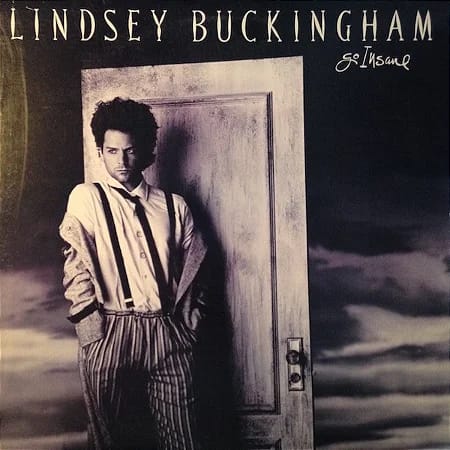
Eli Reviews: Go Insane – Lindsey Buckingham (1985)

Lindsey Buckingham has a new album coming out. I saw a track by him and old flame Stevie Nicks on a new singles list and thought there must have been a mistake but it’s true: a shelved duo album of theirs (Buckingham Nicks) from 1973 is dropping soon. Buckingham seems to have really transformed and grown throughout his time with Fleetwood Mac so I can’t really imagine what it will be like. I enjoyed a few of his post-Fleetwood Mac albums on my album a day run last year. I also got the impression that he is a really weird guy.

He produces some wild stuff, with weird voices that he puts on, repeated lyric fragments that don’t have any appreciable meaning, lots of breathing. A lot of later Fleetwood stuff is like this – “Big Love” for instance – and he really shows himself as something of a studio genius. Probably he’s more publicly defined by his wild vocals and great and unique guitar playing, but it was his commitment and nous that completed the Mac’s “later albums “Tango In The Night”.

The worst of his stuff has this rather harsh frequency preference and a glut of odd choices, with sort of mindless and endless repetition. I’m listening to “I Must Go” as I write this and feeling I will join him in going insane. Perhaps that’s the desired effect, and surely sampling and editing using 1985 technology must have been crazy-making. I can’t imagine – sampling is so streamlined now and I still get headaches with it in Logic Pro X sometimes. Buckingham was something of a futurist. He was one of the proto-bedroom producers. He did everything himself on the record, programming/playing drum machines for the beats and playing and singing everything else.

The title track is pretty cool, and ‘Slow Dancing’ too. There’s cool stuff in the last three tracks too but everything finds its summit in ‘Play In The Rain’ and ‘Play In The Rain – Continued’. They are incredible tracks. The sampling sequence at 0:33 of the first part is something so hip hop and so filmic, it’s really a piece of genius, as is the rest of the two tracks. Sampling gets a bad rap still from some sections of music fandom, who hear the garbage of fully sampling the hooks of great songs and doing nothing but rapping on top of them. There’s so much to be done with using recorded music as an instrument in itself. I have an album in the works and a beat-making persona both very bent towards sampling and creating with and from that.

Best I can do to illustrate is to plant one of my early experiments here, ‘The Thought’. The problem I’m having creatively at the moment is of who to release this music under. When it gets more experimental than Ship Life I wonder if another different persona is in order, with ‘The Thought’ possibly to be re-released under this new name…regardless, I recorded my friend and cabinmate, John Salzano, take a few solos over my track – itself comprised of samples of myself – and then I atomized his playing, moving phrases around, repeating phrases as hooks, effecting them, and then orchestrating them into something that’s not just playing and overdubs, but the almost meta-experience of playing a recording like an instrument.

Anyway, we all owe a huge debt to artists like Lindsey Buckingham, Kate Bush, Brian Eno and Peter Gabriel for being such wonders with this technology when it was clunky and difficult.

Leave a Reply

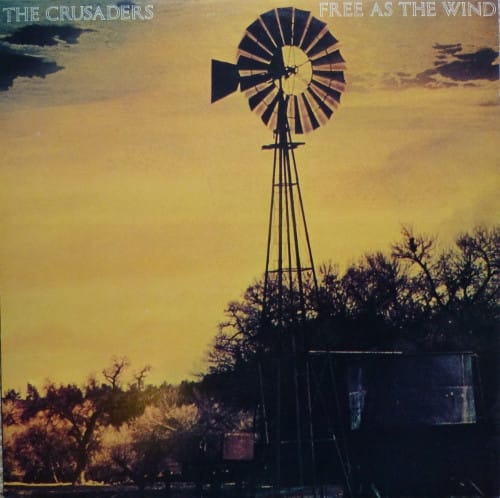
Eli Reviews: Free As The Wind – The Crusaders (1977)

I checked out a few Crusaders albums last year but the impression they left me was of a sort of middling jazz funk, especially compared to the Herbie Hancock and George Duke records I’d been listening to, which were virtuosic and super funky, interesting, challenging. For most of it, this record was changing my opinion. In the opening, title track, there’s an interesting filter effect on the sax I hadn’t heard before and he (Wilton Felder) takes a ripping solo. The production is very disco – too disco – but the drums are really killing here, giving extra interest.

“I Felt The Love” is pretty groovy, the more complex harmony and detailed groove challenging the anodyne disco treatment. I put it into my Transcription playlist, but don’t remember if it was for the sax solo or Joe Sample’s on keys. He became an early hero of mine when I went looking for funky piano players – we had a funky tune in jazz combo in my first year in college and I wasn’t sure what to do – and found ‘Night Flight’ and became enamored (actually, before I forget: there’s some similar chord changes to that song in the last tune on this record, “It Happens Everyday”).

But I don’t find I love any of his solos here. “The Way We Was” switches it up and brings in what I think of as a Rickie Lee Jones feel. I find this one and the next track, “Nite Crawler”, pretty mindless. “Feel It” hits pretty hard but there’s just something missing from a lot of this stuff which brings me back to my original impression of a sort of middling jazz funk that doesn’t have really great songwriting or really nuts playing. Legends for sure, but in the hall of legends I’m definitely putting the Deodato I’ve recently been discovering far ahead of them.

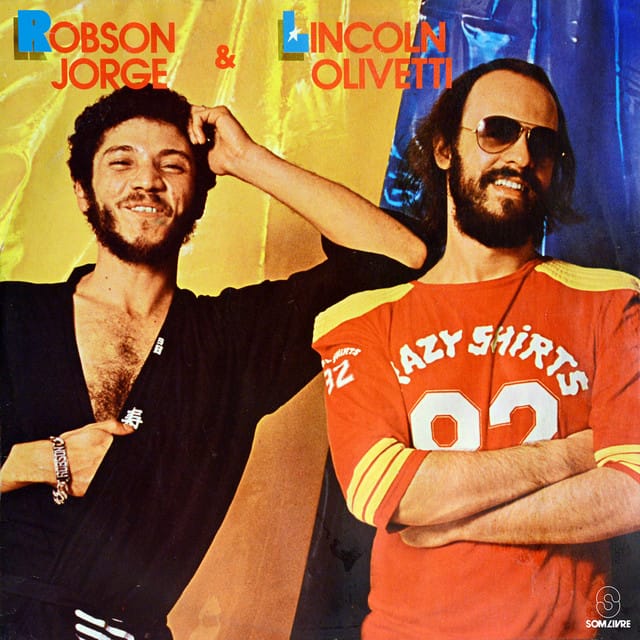
Eli Reviews: Robson Jorge e Lincoln Olivetti – Robson Jorge and Lincoln Olivetti (1982)

This one of the smackingest albums I think I’ve ever heard. Spotify sucks for musical artists, but it does amazing things for music listeners. Of course the former is always also the latter so it puts us in a funny position – anyway, I wouldn’t have discovered this record without Spotify’s algorithm.

It’s funky, jazzy and from the 70s/80s (which Spotify know is my favorite lane at the moment). It hits from the first track with a cool synth arpeggiator into a very fat bass, crazy jazzy vocals, and then the tightest horns outside of Earth, Wind and Fire. “Jorgea Corisco” basically indicates what this record is about: smart, funky and virtuosic music. There’s only a little of what I’d think was Brazilian outside of the short “Raton” and the full samba on”Zé Piolho” near the end and actually most of the tracks have more in common to my ear with smooth jazz. If smooth jazz didn’t so often sit lazily on the unchallenging. This record really pumps – the mix is amazing, full of texture and excitement.

The wordless vocals add a lot to the sound of the record – very soulful – but it’s mostly an instrumental record by two super-producers from Brazil. Every moment is full of ear candy but not over-crammed. The compositions are wonderful. “No Bom Sentido” is a lovely tune that still grooves hard. “Aleluia” must have been an instant classic, with impossibly tight horns and a happy-go-lucky chorus. “Pret-À-Porter” is one of my favorites, with it’s very cool cyclic progression and some sort of key change that I’m definitely required now to go transcribe. Great management of orchestration throughout – these guys are monster producers.

“Squash” is another super-groover that immediately gets my head and butt bouncing. There’s a really cool “drop” on the one of the main phrase of the head (main melody) which feels so good. These guys were so happy to just sing wordless melodies on here and I love it. There’s a crazy fast triplet run in the middle I feel might be an Everest to transcribe and so many great counter melodies to keep the song interesting throughout.

“Eva” is one of these old tunes that sound like a deliberately retro modern tune for some reason; I’m sure it’s been very popular with DJ’s ever since, sort of like Roy Ayers has been. It’s so dreamy and jazzy, with a these cool guitar bends at the end of each phrase that give me a unexpected pleasure. As I’m on a funky buzz the more traditional-Brazilian-type tunes on here don’t excite me so much but there’s more than enough heavy grooves as it is, with Fà Sustenido” and “Ginga” really bouncing hard. Speaking of Earth, Wind and Fire, the groove on “Ginga” reminds me a bit of “In the Stone”. I’m sure EW&F would have lost their minds for this record.

Leave a Reply

Eli Reviews: TomCat – Tom Scott and the L.A. Express (1974)

Tom Scott is THE session musician. If you’ve heard saxophone in the 1970s, you’ve heard him. When he was only 20 years old, Quincy Jones was already talking about him, how he could ‘play any idiom’. He’s the Jazz Man on Carole King’s classic paean, and the horn section arranger on Steely Dan’s Aja, even the funny electronic sounding melody that turns out is a Lyricon on Billie Jean.

I was excited to see some of his records are on Spotify. Sometimes Spotify has gaps – also depending on country – and I’m sure at one point I couldn’t access one of his records with his own band The L.A. Express. This one has cool cover art that I also find funny because I’ve had a recent run of jazz fusion discoveries, all with humanoid animals on the cover, that have turned out to be AI created. Tom Scott was an early adopter of the electronic wind instrument, the afore-mentioned Lyricon, but is all real. Guy can play anything.

TomCat is a solid jazz funk fusion record. It goes around rock and bop and blues and shuffle elements and features great playing all-round – I like this keyboard player a lot, Larry Nash – but I can’t say I really loved it. Usually I’m out and about or at the gym when taking in my album listening and will be regularly checking my phone for track titles if I’m digging it. I didn’t do that until the ballad “Love Poem”, which features Scott as the entire horn and woodwind section. I also did go back and saved “Day Way” before it to my Transcription playlist for the really cool, angular language of the melody, but I think the more interesting stuff is in the latter half, with a rock-edge TV news intro sort of track, “Good Evening Mr. & Mrs. America & All The Ships” that Robben Ford really tears up.

“Backfence Cattin’” is mostly a cool funk groove in 3/4 that then pulls some clever metric switches. “Mondo” is pretty heavy, and Scott switches back to the synthesizer-sounding Lyricon for a rip. The last tune, “Refried”, is probably my favorite, at least for the intro groove, which I’m sure must have been sampled many a time. It’s a mostly dark tune and full of all that 1970s recording grit and richness I love so much. Unfortunately this is the only 70s from him available on Spotify, but I’m definitely going to hear him pop up soon enough in my music listening explorations – the guy really was on everything.

Leave a Reply

Eli Reviews: First Cuckoo – Deodato (1975)

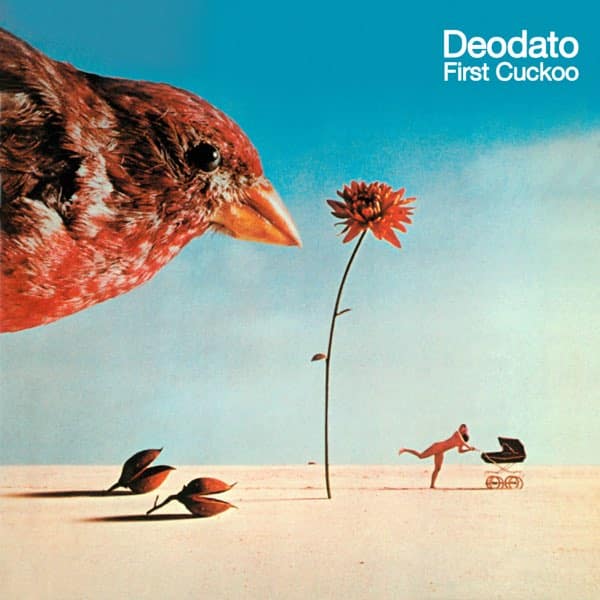
I haven’t been mentioning that I also love Deodato’s album covers. I didn’t even see the figure of the woman with baby carriage until blowing it up big here.

This one’s a real mix and not such a clear concept, also with a lot more cover songs than the two others I’ve listened to – four out of the seven tracks, in fact. I like this one more than Knights of Fantasy and less than Love Island, and it’s again testament of how much Deodato can do as a musician. Steve Gadd is the only other musician on the record I know and he of course lays down the faultless grooves throughout.

“Funk Yourself” is a fun enough funk bash, probably great to kick your time on the treadmill off with. For me though, nothing beats Herbie Hancock’s “Hang Up Your Hang Ups”. It’s the next gamble that really pays off though: Zeppelin’s “Black Dog”. Deodato’s band actually delivers a metrically better performance, not rushing that one bit of the riff…it’s got enough gnarl to it that it comes off really well when it might not have.

The next track is to be one of my all-time favorite Deodato tracks, I’m sure: “Crabwalk”. Arranging and conducting your own stuff becomes a really amazing credit when there’s such large instrumentation like this. What a great writer. Great composition. There’s a tolerable dub element with the delays on the trumpet lead, but the lush 70s orchestration style is the real star here.

“Adam’s Hotel” is a super fun tune that were it recorded a little different would fit in some scenes of Napoleon Dynamite. I don’t know if I’m trying too hard to self-promote here but it’s a vibe I was going for with my track (as EM/FM) “Into Atlantis”. What I really want to take from Deodato is his deft management of composition and arrangement. His tunes develop and lengthen without feeling either convoluted (like Bob James for me) or uninteresting (like the Jazz Crusaders for me).

The funky boogaloo version of Duke Ellington’s “Caravan” isn’t bad but I don’t need to ever hear it again. This guy really likes doing covers. I love his version of “Speak Low” though – another jazz standard – and I about hiccuped reading in the credits that the lyricist for the tune was actually Ogden Nash, my favorite poet.

The album ends with a classical piece by Delius, the title track basically, but I don’t know what Deodato did to it as it’s un-jazzified. He would have been pushing even his luck trying to make Cuckoo into a funk.

Leave a Reply

Eli Reviews: Lyle Mays – Lyle Mays (1986)

I had possibly a spiritual experience listening to this album in a pool one night, on my iPhone speaker. Surely an improper means to listen to art but that’s good the mix and music are that I could be as absorbed as I was.

This falls in with my 80s EM/FM-related obsession as my jazz background found it’s way more into Quixote than it did Ship Life, for some reason. The digital synth tones on this record marry so well with Mays’ piano language, and though I liked the intro track “Highland Aire”, it was “Teiko” that transported me. The reverbs used are so cosmic sounding, and with the unusual combination of world musics and sparkly synth and soprano sax, it reminded me of one bit from the anime Cowboy Bepop.

I was only vaguely aware of Pat Metheny for the longest time, playing a few of his tunes in college and making note to follow up on his discography some day. I only ended up doing that last year and became aware of Lyle Mays and his beautiful piano language. I’m overdue to do some transcribing of his playing. He’s basically the piano version of Pat Metheny as far as I can tell, fluent and virtuosic in jazz vocab but with a passion for this more folk mode of playing (I believe I’d heard Metheny use that word this way) by which I mean things like double plagal cadences and sus 2 chords, diatonic scale runs and more triadic thinking.

The use of such big reverbs is kind of an 80s thing but for jazz, I feel like this could have been contentious. Solo piano track “Mirror of the Heart” has so much reverb on it that it almost become a second instrument on the recording. It’s beautiful. “Northern Lights” is another one that took me to the stars, with it’s held synth string note and repeated soft plucky synth motif, acoustic piano and double bass dancing around the digital elements.

This galactic combination of jazz and synthesizer was something I was reaching for with my own track “Per Aspera Ad Astra”. I’m still in awe of how much texture, power and width synthesizers can give a composer who doesn’t have access to a traditional orchestra.

“Slink” has an immaculate and very modern piano solo and “Invocation” has some beautiful synth in it but “Ascent” and “Close to Home” arrest me a lot more. The latter is such a gorgeous end to the record and might become my first Lyle Mays transcription.

Leave a Reply

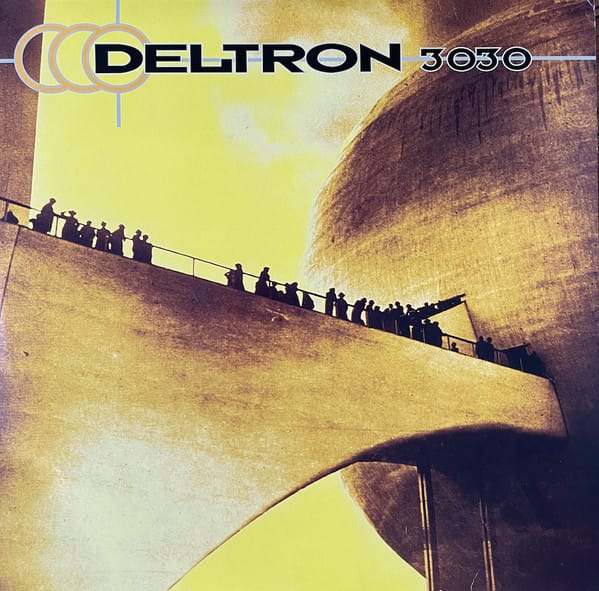
Eli Reviews: Deltron 3030 – Deltron 3030 (2000)

Fans who have found me through my cruise ship career might be surprised to see me review hip hop/rap. It’s not a favorite genre of this demographic and not one I’ve probably ever covered in the piano lounge but I actually really love 90s hip hop. The samples chosen were largely from funk and jazz records from my favorite eras and the beats really grooved. I love the texture the samplers and drum machines imparted to the recordings and love the delivery of a lot of the rappers from this era, even though I’m not normally paying much attention to what they were saying.

I think because the medium requires so many more words than a sung song of the same length (words go by a lot faster in rap and have no limitation of marrying with a melody) there could be the potential to really say more than a song could, but I’ve not heard much rap live up to that. I’m satisfied when it’s just not about something ugly or inane and the beat smacks.

So I was super happy to stumble upon Deltron 3030, which is a concept album mostly depicting a sci-fi future scenario involving a mecha-soldier and his defection from an evil empire. I learned that from Wikipedia as I didn’t actually catch all that the first time around…But I was enjoying the miscellany of sci-fi references and the really awesome beats that Dan the Automator made for it – I’ve since followed him around Spotify and have admired all his production work so far.

“3030” is probably the best track, with this amazing orchestral sequence Dan the Automator sampled from William Sheller (I’ve yet to listen to this guy, a French composer and songwriter) bringing an epic breadth to the track. “Mastermind” has a crunchy beat to it and my favorite is probably “Virus” where Del the Funky Homosapien rhymes ‘virus’ with ‘papyrus’ and it’s great.

My wife was wondering if the album wasn’t just a hodge-podge of science fiction terms and I can’t say that it isn’t – I definitely drift off towards the latter half. But it’s really inspiring to me that these guys stuck it out with their concept, blending their cross-media loves into their music. I have in mind to continue my ‘Quixote’ concept/character with later EM/FM releases so it’s really nice to have guiding stars like this one.

Leave a Reply

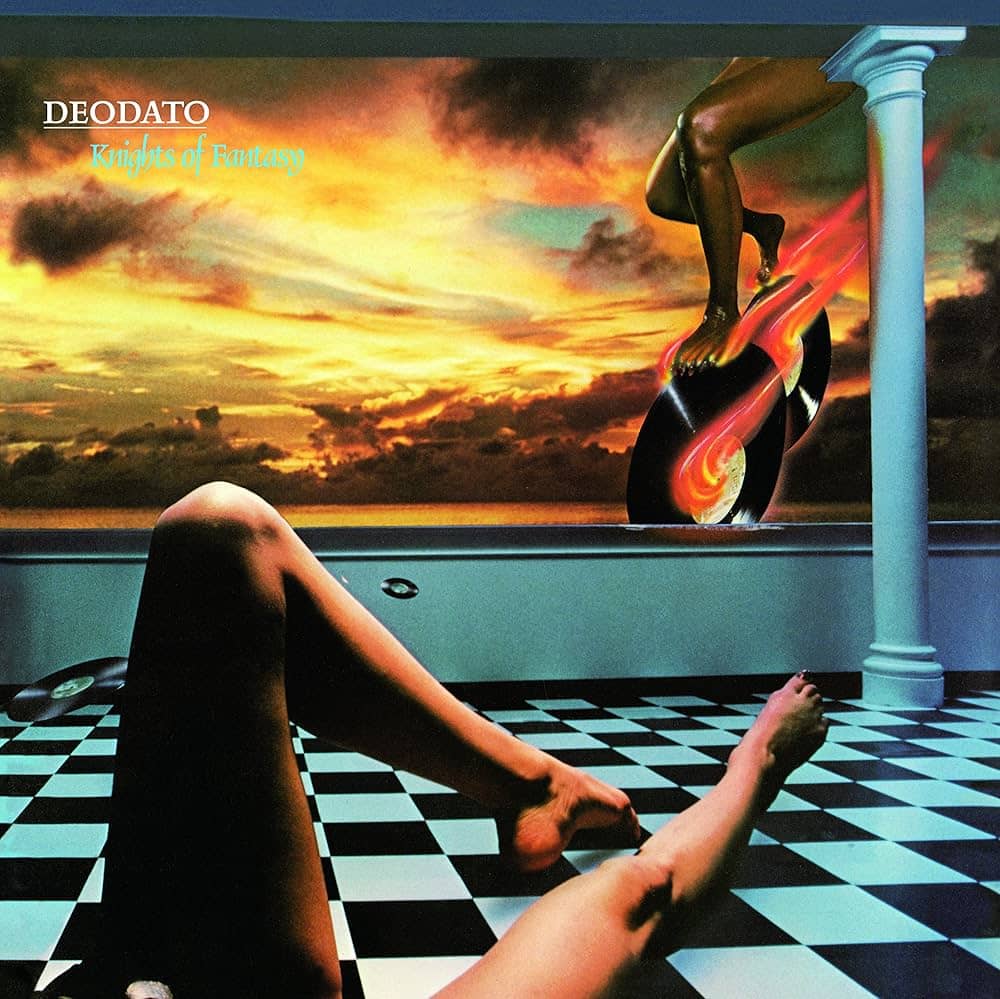
Eli Reviews – Knights Of Fantasy – Deodato (1979)

Deodato does disco! I’m maybe four albums into his discography and I already know this one will be one of my least favorites. It doesn’t seem quite as inspired as a few of his others from this era but it still has plenty for the brain and the booty, with tight grooves and great synth-ing over jazz chord progressions. It just seems like an odd choice to me to go full disco towards the end of that craze, but some 80s sounds have entered here with what seem like synth drums and the very 80s hand claps.

There’s only five tracks on this one, but they’re almost all around seven minutes. It doesn’t really make any of the tunes more memorable and I found myself thinking as great as the players are (I don’t recognize any of the names on this one) between solos songs like the title track are almost muzak. There’s some really nice brass somewhere on the album, and the last track, “Lovely Lady”, sounds a lot like the Japanese jazz fusion I love from the same era.

Funnily the part I enjoy most is just an intro, and in fact the intro to the most questionable track: a disco version of Bach’s “Jesu, Joy Of Man’s Desiring”. It’s reminiscent of the Star Wars disco medley, but then this one steps outside of any logic and goes into “Love Is Blue”. I won’t say it doesn’t work. Then it gest funky in a disco way before going back to Bach.

But anyway, the intro is very cool and it reminds me a little of one of my own tunes as EM/FM “The One”!

Leave a Reply